Webinar | AMA: Ask Me Anything - Session 1
For many organizations, HR compliance is managed in separate silos. Employers handle I-9s, unemployment claims, verifications, and tax credits as distinct tasks, but often lack visibility into how process gaps, outdated workflows, or missed opportunities can quietly increase risk and leave value on the table.
During this AMA-style session, HRlogics subject matter experts answered live audience questions and explored how a more strategic approach to compliance can help employers save time, reduce exposure, and uncover hidden financial opportunities.
Throughout the webinar, the presenters addressed real-world questions across multiple compliance areas. On the I-9 side, the discussion focused on audit readiness, retention rules, common paper-form errors, remote verification requirements, TPS tracking, and the difference between truly compliant I-9 software and systems where compliance is treated as an afterthought. Melissa Prentice explained how simple mistakes—such as missing dates, incomplete fields, or failure to purge outdated forms—can create significant audit risk, especially as enforcement activity increases.
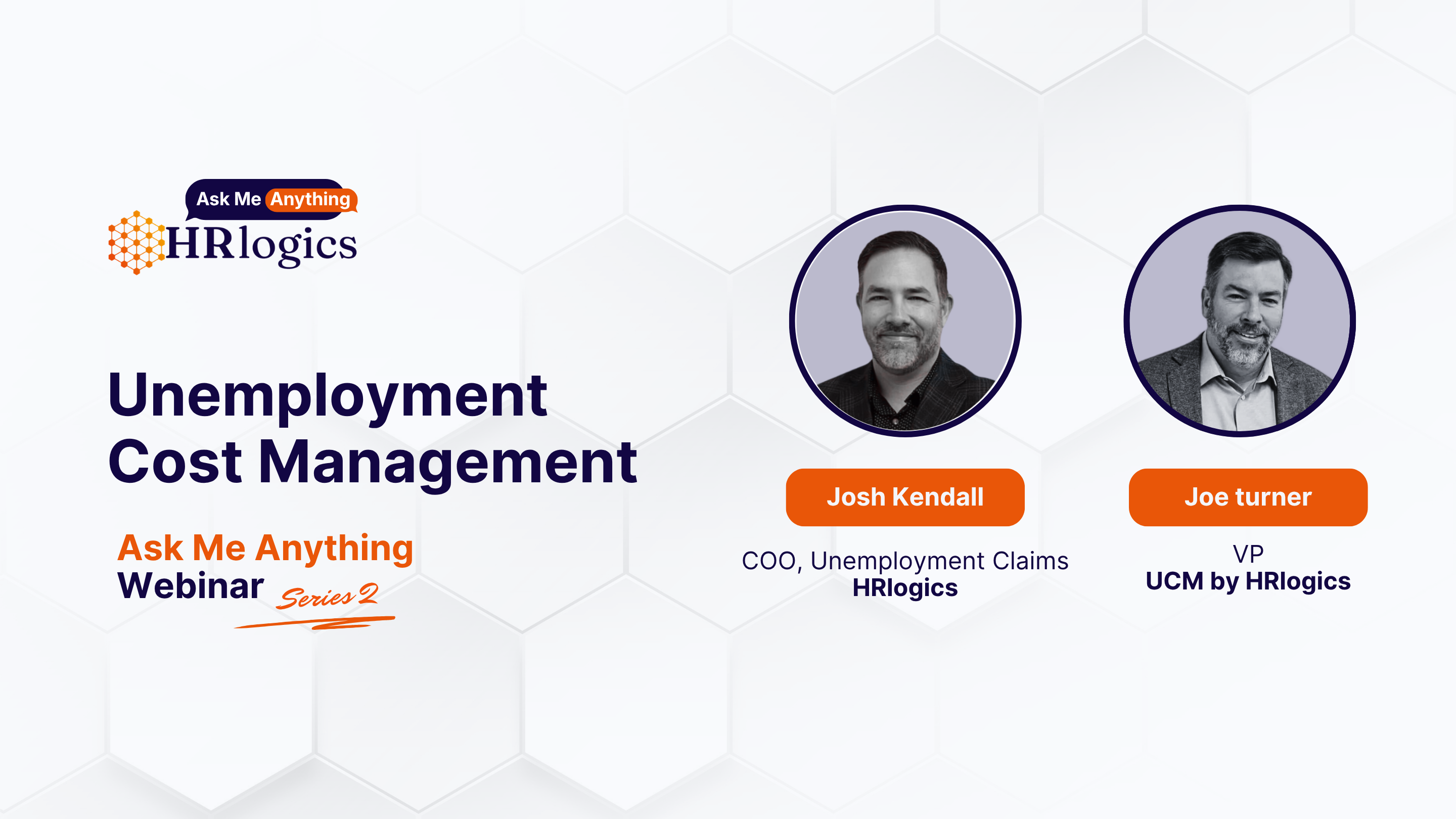
The conversation also covered Unemployment Cost Management, where Josh Kendall and Joe Turner walked through the operational realities behind hearings, documentation, SIDES connectivity, benefit charge audits, and the preparation employers need to successfully challenge claims. They emphasized that unemployment is still a people-driven process, and that stronger preparation, tighter documentation, and full visibility into benefit charges can directly protect employer tax accounts over time.
In addition, the session explored tax credits and verifications. Lee Edenfield and Campbell James discussed how employers often miss state and local incentives, piggyback credits, and retroactive opportunities when they rely only on familiar programs or assume their CPA or payroll provider is already capturing everything available. Robert Beining addressed verification data privacy, dispute handling, credentialing, and the importance of protecting employee data while still delivering fast, compliant access for authorized users.
The webinar also outlined practical steps employers can take, including how to:
- Treat compliance as an operational and financial strategy, not just an administrative obligation
- Strengthen internal processes for I-9 retention, unemployment hearings, verifications, and tax credit screening
- Identify areas where manual workflows, communication gaps, or non-specialized systems create unnecessary risk
- Use specialized technology and expert support to improve consistency, visibility, and financial outcomes
What attendees learned:
1. Compliance gaps often create both risk and missed savings
Whether in I-9s, unemployment claims, tax credits, or verifications, small process breakdowns can lead to fines, inflated tax exposure, delayed responses, or missed financial opportunities.
2. Specialized expertise matters in highly regulated workflows
The discussion reinforced that complex areas like Form I-9 compliance, unemployment hearings, and incentive programs require deeper operational knowledge than general-purpose systems or non-specialized providers typically offer.
3. Better visibility and process control improve outcomes
From benefit charge auditing and SIDES integration to compliant I-9 tracking and credit discovery, stronger oversight helps employers respond faster, reduce risk, and capture value more consistently.
For HR, payroll, finance, and compliance teams, these functions are more than administrative tasks. With the right structure, technology, and expertise, they become opportunities to strengthen compliance, improve operational control, and protect the organization’s bottom line.
Watch the full webinar recording on demand to discover how HRlogics experts answered real employer questions and shared practical guidance across I-9 compliance, unemployment claims, verifications, and tax credits.